
The psychology behind why we gamble understanding the allure of chance
The Nature of Gambling and Human Behavior
The allure of gambling is deeply intertwined with human psychology. From the thrill of uncertainty to the excitement of potential rewards, gambling activates various cognitive and emotional responses. The unpredictability of outcomes plays a significant role in engaging individuals. This element of surprise not only makes each game feel unique, but also taps into our innate desire for excitement and risk-taking. For instance, many people are drawn to online gambling real money experiences that heighten this thrill.
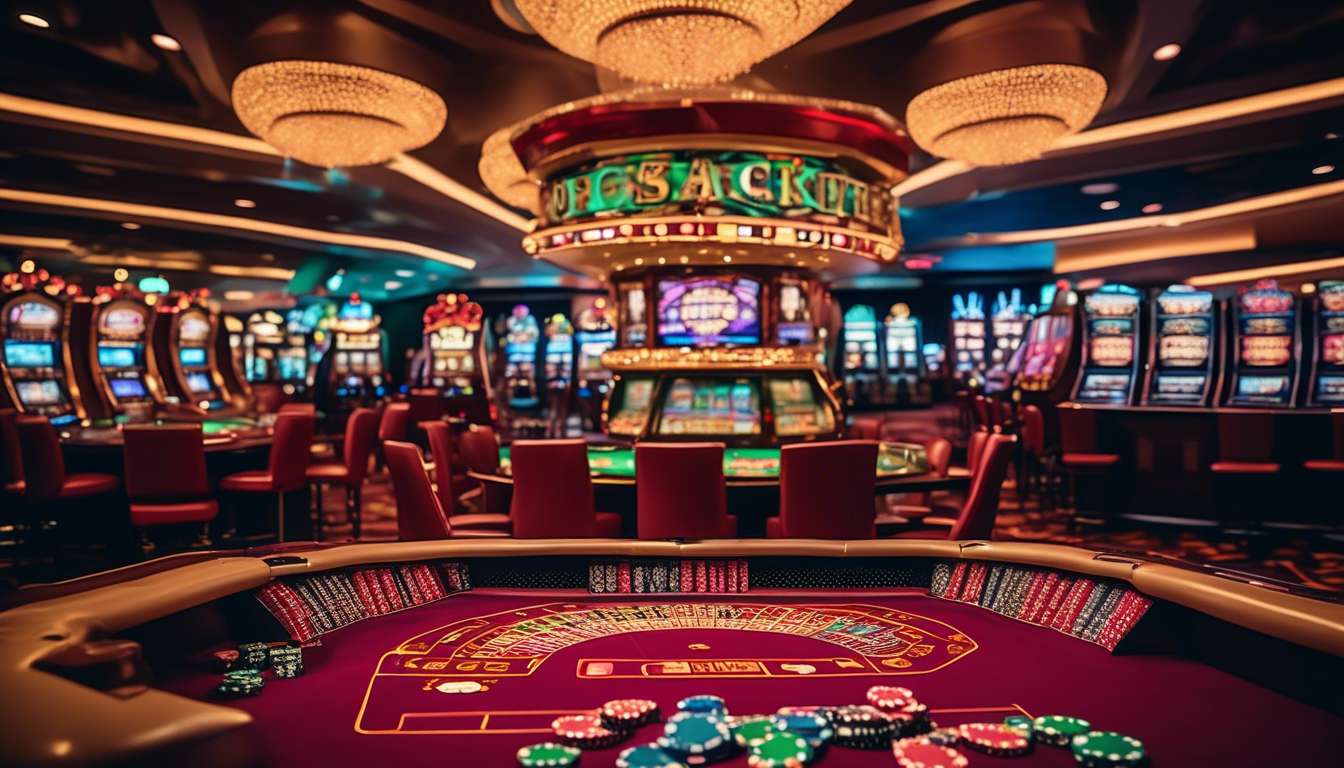
Moreover, gambling often creates a temporary escape from everyday pressures. Individuals may find themselves drawn to the excitement of games as a way to relieve stress or escape mundane routines. This escapism can enhance the overall allure, making gambling feel like a viable option for many seeking a break from reality.
The Role of Reward Systems
The brain’s reward system is a crucial factor in understanding why people gamble. When individuals engage in gambling activities, their brains release neurotransmitters like dopamine, which are associated with pleasure and reward. Winning, even in small amounts, triggers these responses, reinforcing the behavior and prompting individuals to return to the gambling environment in pursuit of the next high.
This cycle of reward and reinforcement can lead to habitual gambling behavior. The anticipation of winning creates a powerful emotional feedback loop. Even when losses occur, the hope of a big win can sustain the individual’s engagement, making it challenging to break free from the cycle.
The Influence of Social Factors
Social dynamics play a significant role in the gambling experience. Many individuals are influenced by their peers or societal norms that celebrate risk-taking and the allure of chance. Gambling can be viewed as a social activity, offering opportunities for bonding and shared experiences. This communal aspect can enhance the excitement and provide a sense of belonging among participants.
Moreover, marketing strategies utilized by gambling establishments often capitalize on social appeal. Promotions, events, and themed games can attract individuals, creating an environment where gambling feels not only acceptable but also desirable. This social reinforcement further cements the allure of chance, drawing more individuals into the gambling world.
The Psychological Impact of Winning and Losing
Winning and losing evoke strong emotional reactions that can greatly influence future gambling behavior. The euphoric feeling of winning can lead to overconfidence, pushing individuals to gamble more aggressively. Conversely, experiencing losses can create a desire to chase those losses, fueling a cycle that can be detrimental over time.
Psychologically, the concept of loss aversion plays a pivotal role in this dynamic. People often perceive losing money as a greater emotional setback than winning the same amount feels rewarding. This imbalance can lead to irrational decision-making, as individuals may continue to gamble in hopes of recouping their losses, despite the risks involved.

The Commitment to Security in Gambling Environments
In the realm of online gambling, security plays a vital role in maintaining user trust and engagement. Websites dedicated to gambling often implement advanced security measures to protect users from potential threats. This commitment to safety not only fosters a secure environment for users but also enhances the overall gambling experience.
By prioritizing security, gambling sites can provide a sense of assurance that encourages individuals to explore their offerings without fear. This focus on protecting users helps sustain the engagement levels that are critical for the gambling industry’s success, allowing participants to enjoy the thrill of chance in a safe and secure setting.